


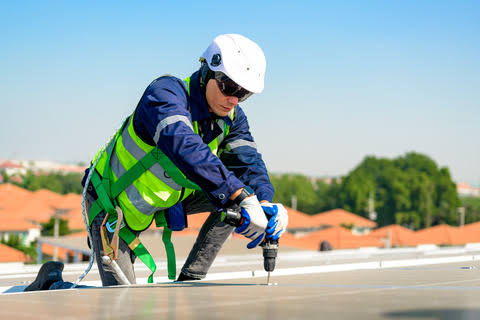
Living near the coast offers stunning ocean views and refreshing sea breezes, but it also subjects homes to some of the most aggressive environmental conditions nature can dish out. Salt-laden air, high humidity, unrelenting tropical sun, and intense storm winds continuously wear down standard roofing materials. When the time comes to replace a coastal roof, selecting the proper materials is not merely a cosmetic choice; it is a critical investment in your home’s long-term protection, energy efficiency, and structural safety. Property owners need to understand how different roofing options react to salt spray and high winds so they can make an informed decision that will stand up to coastal weather for decades.
Choosing the right roofing contractor is just as essential as picking the right material. Maze Roofing specializes in high-durability roofing solutions designed to withstand harsh marine environments. Whether you are replacing a roof proactively or dealing with unexpected weather damage, working with local experts ensures that every shingle, tile, or metal panel is installed to meet strict wind-resistance codes. If you notice signs of severe wear or recent storm damage, reach out to Maze Roofing to Get A Free Estimate on a full roof evaluation tailored to coastal conditions.
The Unique Environmental Challenges of Coastal Roofing
Coastal homes face a distinct set of atmospheric stressors that landlocked properties rarely experience. The most pervasive of these is airborne salt spray. Salt acts as an accelerator for corrosion, rapidly degrading untreated metals, fasteners, and compromised structural elements. In addition to salt, constant high humidity fosters the growth of algae, moss, and blue-green lichen, which can trap moisture against roof surfaces and cause underlying wood rot over time.
Wind uplift is another major concern along the coastline. Severe oceanic weather systems generate sustained high winds and sudden powerful gusts that can get under loose roofing materials, lifting panels or tearing away shingles. When wind breaches a roof deck, water intrusion quickly follows. Proper installation techniques, severe-wind fasteners, and heavy-duty underlayment are essential barriers against driven rain. Navigating these environmental hazards requires careful planning, premium materials, and the expert craftsmanship provided by the team at Maze Roofing.
Evaluating Top Roofing Materials for Coastal PropertiesMetal Roofing: Standing Seam Aluminum and Copper
Metal roofing is widely regarded as one of the best defenses against severe coastal weather. Among metal options, standing seam aluminum stands out as a top choice because aluminum naturally resists rust caused by salt spray. Unlike traditional steel, which can corrode if its protective coating is scratched, aluminum forms a self-protecting oxide layer that resists saline environments. Standing seam designs also feature concealed fasteners, minimizing the number of exposed screws where moisture or salt could potentially compromise the surface.
Copper is another high-end metal material exceptionally suited for marine settings. Over time, copper develops a protective green patina that shields the underlying metal from weathering while adding a distinct visual appeal. Although metal roofing has a higher initial installation cost, its longevity, class-A fire resistance, and superior wind ratings make it a cost-effective long-term investment. Homeowners interested in exploring durable metal options can contact the coastal specialists at Maze Roofing toGet A Free Estimate and review suitable styles.
Synthetic Slate and Composite Shingles
Synthetic roof tiles and composite shingles have gained immense popularity in coastal regions due to their lightweight design and impressive durability. Engineered from advanced polymers and rubber compounds, synthetic slate replicates the traditional aesthetic of natural slate without the immense weight that requires reinforced framing.
Composite materials do not absorb water, making them completely immune to salt-air corrosion, rust, and moisture-induced rot. Most high-grade synthetic shingles feature Class 4 impact ratings and wind resistance ratings up to 110 or 130 miles per hour. These engineered products offer an attractive balance between architectural beauty, low maintenance, and resilient storm performance for modern coastal homes.
Clay and Concrete Tile Roofing
Clay and concrete tiles are classic fixtures of coastal architecture, offering a timeless aesthetic alongside robust natural resistance to salt air, insects, and decay. Clay tiles are fired at high temperatures, rendering them virtually impervious to marine moisture and severe UV degradation. Concrete tiles offer a slightly more economical alternative while maintaining impressive durability and impact strength.
However, tile roofing requires careful consideration of structural capacity. Clay and concrete are significantly heavier than metal or synthetic options, so a thorough structural assessment of the property is required before installation. Furthermore, tile roofs rely heavily on specialized underlayment systems to prevent water intrusion during wind-driven storms. Maze Roofing conducts detailed roof deck inspections to ensure your home can safely support tile systems and that underlayments are installed flawlessly.
Architectural Asphalt Shingles
Architectural asphalt shingles remain the most common and budget-friendly roofing choice across the country. While basic three-tab shingles perform poorly in coastal wind zones, modern high-wind architectural shingles are specifically engineered to withstand coastal gusts up to 130 miles per hour when installed with proper nailing patterns.
When choosing asphalt shingles for a coastal home, look for products featuring algae-resistant granules treated with copper, as well as reinforced sealant strips that activate under heat to create a tight seal against wind uplift. While asphalt shingles may have a shorter lifespan than metal or tile, high-end architectural lines installed by experienced professionals still provide reliable protection at an accessible price point.
Emergency Stabilization and Tarping for Storm Damage
Even the most resilient coastal roofs can suffer damage during extreme weather events, such as fallen tree limbs or flying debris during a major hurricane. When structural breaches occur, immediate action is required to prevent secondary water damage from destroying structural framing, drywalls, and interior furnishings.
Emergency roof stabilization and tarping serve as the vital first line of defense immediately following severe storm damage. Heavy-duty waterproof tarps are tightly secured over compromised areas to seal out rain while long-term restoration plans are developed. Attempting DIY temporary repairs after a storm is extremely hazardous due to wet, slippery surfaces and hidden structural weaknesses.
Property owners should rely on experienced emergency response teams to handle post-storm stabilization safely. Maze Roofing provides swift emergency tarping and stabilization services to protect homes from severe water intrusion. Securing a temporary seal quickly protects your indoor living space and preserves the integrity of your property while insurance assessments and permanent repair plans are arranged. If your home has suffered sudden storm damage, contact Maze Roofing immediately to Get A Free Estimate for emergency tarping and permanent roof restoration solutions.
Frequently Asked QuestionsHow does salt air affect choice of roofing materials for coastal homes?
Salt air accelerates the corrosion of standard metals and degrades non-treated fasteners quickly. Homes near the ocean require corrosion-resistant materials such as standing seam aluminum, copper, synthetic composite tiles, or clay. Maze Roofing helps homeowners select salt-tolerant materials designed to endure constant marine exposure.
Why is emergency tarping necessary after severe roof damage?
Emergency tarping prevents immediate water intrusion through torn shingles, broken tiles, or punctured roof decks. By sealing exposed areas right after a storm, Maze Roofing prevents extensive structural rot, mold growth, and interior water damage while permanent repairs are planned.
How often should a coastal roof be inspected by a professional?
Coastal roofs should be inspected at least twice a year, ideally before and after the major storm season. Regular evaluations allow Maze Roofing to identify loose fasteners, compromised sealants, or minor salt damage before small issues escalate into major leaks.
What wind rating should I look for in a coastal roof replacement?
Coastal roofs should generally be rated to withstand winds of at least 110 to 130 miles per hour, depending on local building codes and wind exposure zones. Maze Roofing ensures all installed replacement systems meet or exceed local high-velocity hurricane zone requirements.
Can Maze Roofing assist with both emergency repairs and full roof replacements?
Yes, Maze Roofing provides comprehensive roofing services, ranging from rapid emergency stabilization and tarping after severe weather to complete coastal roof replacements tailored to your home’s structural requirements and budget.
