


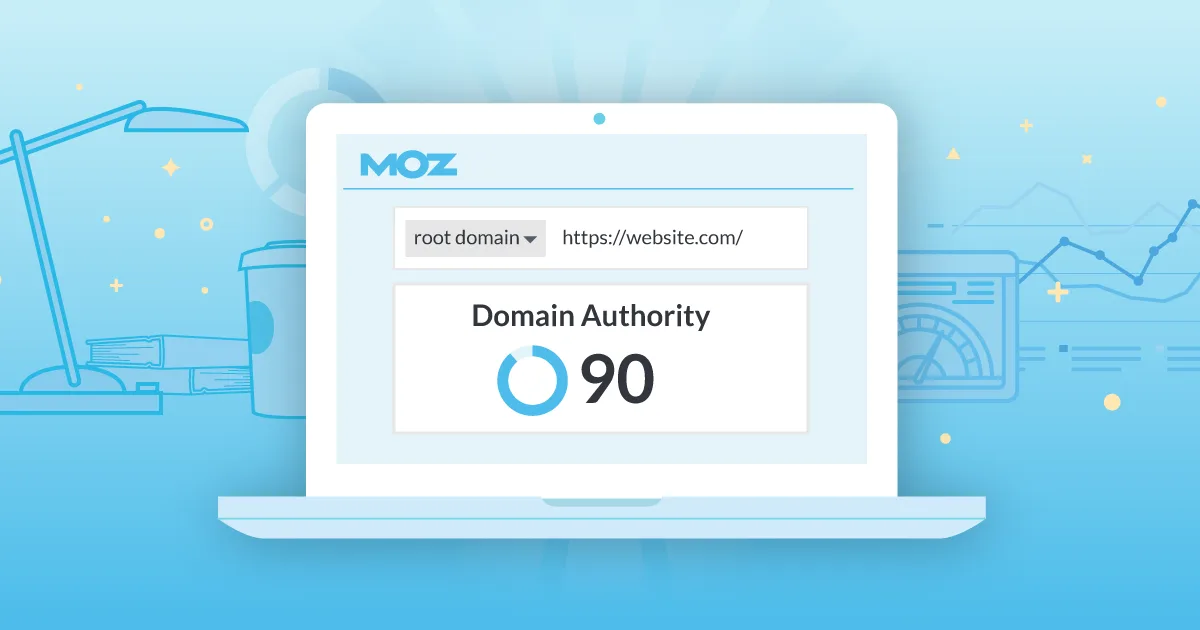
When a fashion label, online shop, or independent publisher wants to understand its search visibility, competitor research is a useful starting point. Learning how to compare domain authority with competitors can reveal differences in backlink strength and help set realistic goals. The figure is not a ranking score from Google, though, so it works best as one clue among several—not as a verdict on which website is better.
Know what the score can—and cannot—tell you
Domain Authority, often shortened to DA, is a metric created by Moz to estimate how likely a domain is to rank in search results compared with others. Other SEO platforms use their own authority measures, calculated with different data and methods. These scores can be useful for broad comparisons, but they are not interchangeable, and none guarantees a particular position in search.
Before opening a competitor report, get familiar with what Domain Authority measures and how it is commonly used. The practical takeaway is simple: treat the number as a relative indicator. A score of 35 might be impressive in one niche and ordinary in another. Context matters more than an isolated figure.
Choose competitors you actually want to learn from
Start with three to five sites that compete for the same audience and searches. A direct commercial rival is worth including, but so is a smaller site that consistently earns attention for a product category or useful advice. For a clothing retailer, that might mean comparing against another specialist shop and a well-regarded style publication—not just a giant marketplace with a completely different business model.
Check that the comparison is fair. Look at the same country or market, the same type of domain (such as a root domain versus a subdomain), and roughly the same period. Record each site’s authority score using the same SEO tool. Comparing one site’s Moz DA with another site’s score from a different provider can produce a misleading picture.
Look beyond the headline number
A score can prompt good questions, but the details explain what to do next. Compare the number and quality of linking websites, the pages attracting those links, and whether the links come from sources relevant to your subject. A competitor with fewer links may have earned valuable mentions from respected publications, while another may have a larger backlink count with little connection to its audience.
Review the pages that bring competitors organic traffic, too. Are they product guides, seasonal collections, interviews, tutorials, or category pages? Notice whether those pages answer a question well, show original expertise, or offer something people naturally want to cite. This analysis points toward opportunities you can pursue in your own voice; copying a competitor’s topics or trying to reproduce its backlink profile is unlikely to create durable value.
It also helps to compare several related measures: estimated organic traffic, the number of keywords a site appears for, and how visible its important pages are. These estimates are imperfect, but taken together they can distinguish a site with broad, steady reach from one whose authority score looks strong while relevant traffic remains limited.
Turn the comparison into a sensible plan
Write down the gap you see and the action it suggests. If competitors earn links through useful fit guides, consider building a more complete resource for your customers. If they rank for specific searches that your site does not address, assess whether those topics genuinely fit your products and expertise. If your own strong pages are hard to discover, improve internal links and make their purpose clearer.
Avoid setting a target such as “beat the largest competitor’s score by next quarter.” Authority metrics tend to move gradually, and the larger site may have years of accumulated recognition. Better goals include publishing a useful resource, earning relevant editorial mentions, improving a collection page, or increasing qualified organic visits. Track the same metrics every month or quarter, and note meaningful changes rather than reacting to small score fluctuations.
Don’t overlook site experience
Links and content are only part of a site’s health. A slow page can frustrate visitors before they see the work you have put into it. Image sizing, caching, scripts, mobile layout, and font loading can all affect how quickly a page feels ready. For example, using font display swap can let text appear while a custom typeface loads, instead of leaving visitors waiting on blank text. Osdire’s website speed optimization checklist covers practical areas to review, including Core Web Vitals and mobile performance.
Domain authority is most useful when it helps you ask sharper questions: Who is earning relevant attention, which pages deserve it, and what can your own site offer that is genuinely helpful? Compare like with like, use more than one measure, and turn the findings into focused improvements. That approach makes competitor research a guide to better work—not a race to collect a bigger number.
