


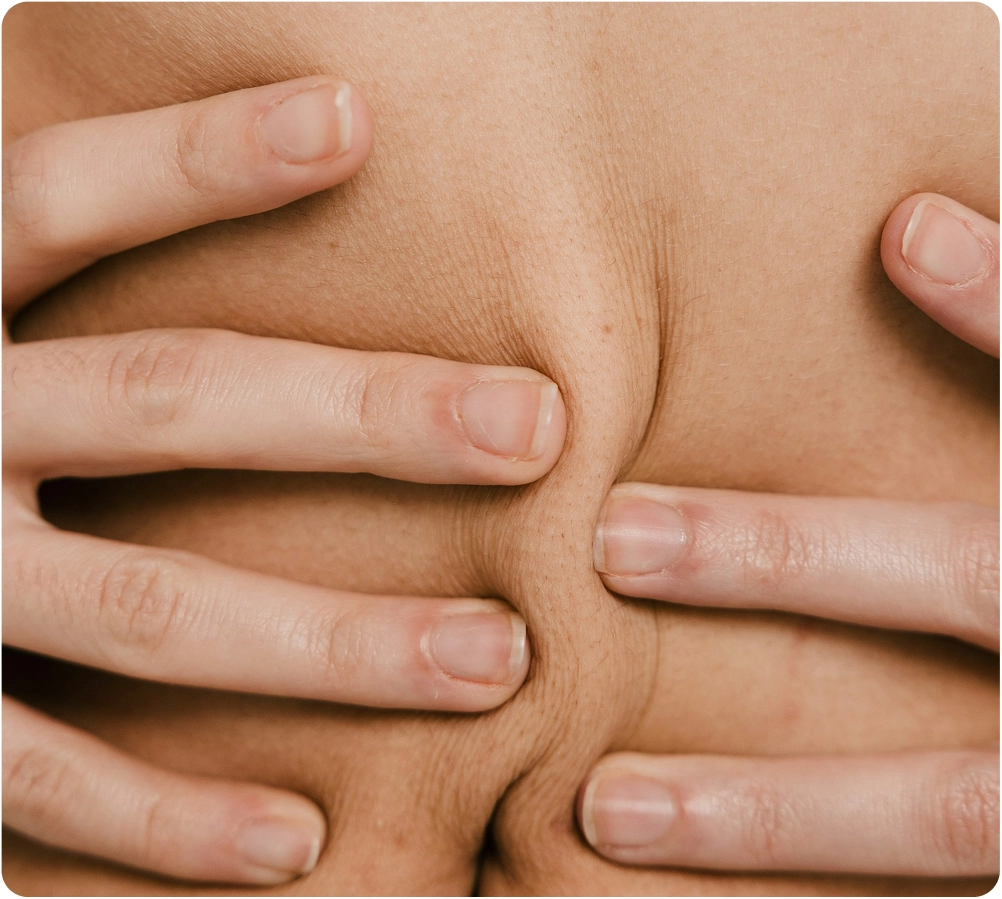
Losing a significant amount of weight is an achievement that can improve confidence, mobility, and overall well-being. However, reaching a lower number on the scale does not always mean every area of the body will look the way a person expects. Some individuals continue to notice small, stubborn fat deposits around areas such as the abdomen, flanks, thighs, arms, back, or under the chin.
This is where liposuction may become part of a body-contouring plan. Lipo is not designed as a replacement for weight loss, but it can potentially refine specific areas where localized fat remains despite maintaining a healthy lifestyle. The goal is typically to improve proportion and contour rather than produce major additional weight loss.
Why Stubborn Fat Can Remain After Weight Loss
The body does not lose fat evenly from every area. Genetics, hormones, age, body composition, and natural fat distribution can all influence where fat remains after weight loss. As a result, someone may reach a stable weight but still have noticeable fullness in certain areas.
For example, regular exercise and a balanced diet may reduce overall body fat while leaving localized deposits that are resistant to further changes. Liposuction is intended to address these specific deposits by removing fat from selected areas and reshaping the body’s contours.
Lipo Is About Contouring, Not Replacing Weight Loss
One of the most important things to understand is that liposuction is not a weight-loss procedure. It is generally used to remove localized fat and improve the shape of a particular area. People who have already completed most of their weight-loss journey and are close to a stable weight may be better positioned to discuss whether body contouring is appropriate.
The amount of improvement depends on several individual factors, including the location and volume of remaining fat, skin quality, overall health, and the person’s goals. Maintaining a stable weight can also help preserve the contouring results over time.
Can Lipo Improve Areas That Diet and Exercise Have Not Changed?
In many cases, liposuction may help reduce fat deposits that remain in specific locations despite consistent diet and exercise efforts. Common treatment areas can include the abdomen, hips, thighs, upper arms, back, calves, ankles, and chin or neck.
The procedure reduces the number of fat cells in the treated area, creating a change in contour. However, results should be viewed realistically. Lipo does not guarantee a perfectly shaped body, eliminate cellulite, or remove stretch marks. Its primary purpose is targeted fat reduction and contour improvement.
The Importance of Skin Elasticity After Weight Loss
Skin elasticity is a major consideration for anyone thinking about liposuction after losing weight. When fat is removed, the skin must adapt to the new underlying contour. Skin with good elasticity may contract more smoothly, while thinner or looser skin may not tighten to the same degree.
This is particularly important after substantial weight loss. If a person has a significant amount of loose or hanging skin, liposuction alone may not address the concern and could leave skin laxity more noticeable. Depending on the individual’s needs, a surgeon may discuss other body-contouring procedures that focus on removing excess skin as well as improving shape.
When Is the Right Time to Consider Lipo After Weight Loss?
Timing matters when planning any body-contouring procedure. Continuing to lose a substantial amount of weight after lipo may change the appearance of the treated area and affect the overall result. For this reason, having a reasonably stable weight is often an important part of the evaluation process.
A consultation allows the provider to review weight history, current health, future weight-loss plans, and the specific areas a person wants to improve. The best timing can vary, particularly for people who have experienced major weight loss or undergone bariatric surgery.
What Makes Someone a Potential Candidate?
A potential candidate is not determined by body weight alone. A thorough evaluation may consider overall health, weight stability, the amount and location of remaining fat, skin elasticity, medical history, and realistic expectations.
The ideal goal is usually refinement rather than transformation through large-volume fat removal. Liposuction also involves surgical risks, which can include contour irregularities, fluid accumulation, changes in sensation, infection, and other complications. A qualified medical professional should evaluate these risks and determine whether the procedure is suitable for the individual.
Choosing the Right Professional for Body Contouring
Experience, training, and proper medical evaluation are essential when considering a cosmetic procedure. During a consultation, patients should discuss their goals openly and ask how the proposed treatment is expected to address their remaining fat deposits and skin concerns. They should also understand the potential benefits, limitations, recovery process, and possible risks.
For individuals exploring treatment options locally, speaking with a smart lipo provider The Woodlands may provide an opportunity to discuss whether localized fat removal fits their goals and whether another body-contouring approach would be more appropriate.
What to Expect During Recovery
Recovery can vary depending on the areas treated, the amount of fat removed, and the technique used. Swelling, bruising, and discomfort are common after the procedure. Compression garments may also be recommended to help manage swelling during the healing process.
Initial changes may become noticeable as swelling improves, but final contouring results can take weeks to months to fully develop. Following postoperative instructions and attending recommended follow-up appointments are important parts of recovery.
Can the Results Last?
The changes created by liposuction can be long-lasting, especially when a person maintains a stable weight. Although the number of fat cells is reduced in the treated area, remaining fat cells and fat in untreated areas can still increase if significant weight is gained later.
This means long-term results are closely connected to ongoing lifestyle habits. A balanced diet, regular physical activity, and weight management can help support the contours achieved through treatment.
Final Thoughts
Weight loss can create dramatic changes, but stubborn fat deposits may remain even after someone has made consistent progress with diet and exercise. Liposuction can potentially refine selected areas by targeting localized fat and improving body contours. It is not a solution for overall weight loss, and it may not be the best choice when significant loose skin is the primary concern.
The most appropriate approach depends on individual anatomy, skin quality, health, weight stability, and personal goals. A professional consultation can help determine whether liposuction or another body-contouring procedure is better suited to achieving the desired outcome.
