


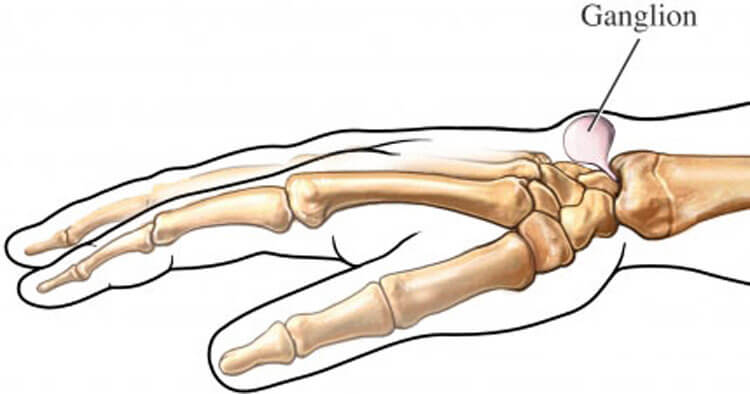
Ganglion cysts are noncancerous lumps that commonly develop along the tendons or joints of the wrists and hands, although they can also appear in the ankles or feet. While generally harmless, they can cause discomfort, pain, or limited mobility depending on their size and location. This article explores From Diagnosis to Care: Everything About ganglion cyst treatment, guiding you through symptoms, diagnosis, and the most effective treatment options available.
Understanding Ganglion Cysts
A ganglion cyst is a fluid-filled sac that often appears as a round or oval bump beneath the skin. These cysts are filled with a jelly-like fluid and may fluctuate in size over time. Though their exact cause is not always clear, they are often associated with joint or tendon irritation.
Common symptoms include:
- A visible lump under the skin
- Mild to moderate pain or discomfort
- Tingling or numbness if pressing on nearby nerves
- Reduced joint movement in some cases
Recognizing these symptoms early is essential in ensuring proper care and timely ganglion cyst treatment.
How Ganglion Cysts Are Diagnosed
Diagnosis typically begins with a physical examination. A healthcare provider may press on the cyst to check for tenderness or changes in size. In some cases, additional imaging tests may be recommended, such as:
- Ultrasound: Helps distinguish a cyst from a solid mass
- MRI scans: Provide detailed images of soft tissues
- Aspiration: Removing fluid from the cyst to confirm its nature
Accurate diagnosis is a crucial step in From Diagnosis to Care: Everything About Ganglion Cyst Treatment, as it helps determine the most suitable treatment plan.
Non-Surgical Ganglion Cyst Treatment Options
In many cases, ganglion cysts do not require aggressive treatment and may resolve on their own. However, if symptoms persist, non-surgical options are often considered first:
Observation
If the cyst is painless and not affecting movement, doctors may recommend simply monitoring it over time.
Immobilization
Wearing a brace or splint can reduce movement and help shrink the cyst by decreasing fluid buildup.
Aspiration
This involves draining the fluid from the cyst using a needle. While effective in reducing size, recurrence is possible.
These conservative approaches are often the first line of care when exploring From Diagnosis to Care: Everything About Ganglion Cyst Treatment.
Surgical Treatment for Persistent Cases
When non-surgical methods fail or the cyst causes significant discomfort, surgery may be recommended. Surgical removal involves excising the cyst along with a portion of the joint capsule or tendon sheath to reduce the risk of recurrence.
Benefits of surgery include:
- Permanent removal in most cases
- Relief from pain and pressure
- Improved joint function
However, as with any procedure, there are risks such as infection, stiffness, or recurrence, so it’s important to discuss these with a healthcare provider.
Recovery and Aftercare
Recovery depends on the type of treatment received. After aspiration, patients can often return to normal activities quickly. Surgical recovery may take a few weeks, during which:
- Rest and limited movement are essential
- Physical therapy may be recommended
- Follow-up visits ensure proper healing
Proper aftercare is a vital component of From Diagnosis to Care: Everything About Ganglion Cyst Treatment, ensuring long-term success and preventing recurrence.
When to Seek Medical Attention
While ganglion cysts are typically harmless, you should consult a healthcare professional if:
- The cyst becomes painful or grows rapidly
- You experience numbness or tingling
- It interferes with daily activities
- There is uncertainty about the diagnosis
Early intervention can help avoid complications and provide peace of mind.
Conclusion
Understanding From Diagnosis to Care: Everything About Ganglion Cyst Treatment empowers individuals to make informed decisions about their health. Whether opting for observation, non-invasive methods, or surgical intervention, the key lies in early diagnosis and appropriate care. With the right approach, most people can effectively manage ganglion cysts and return to their normal routines without discomfort.
